
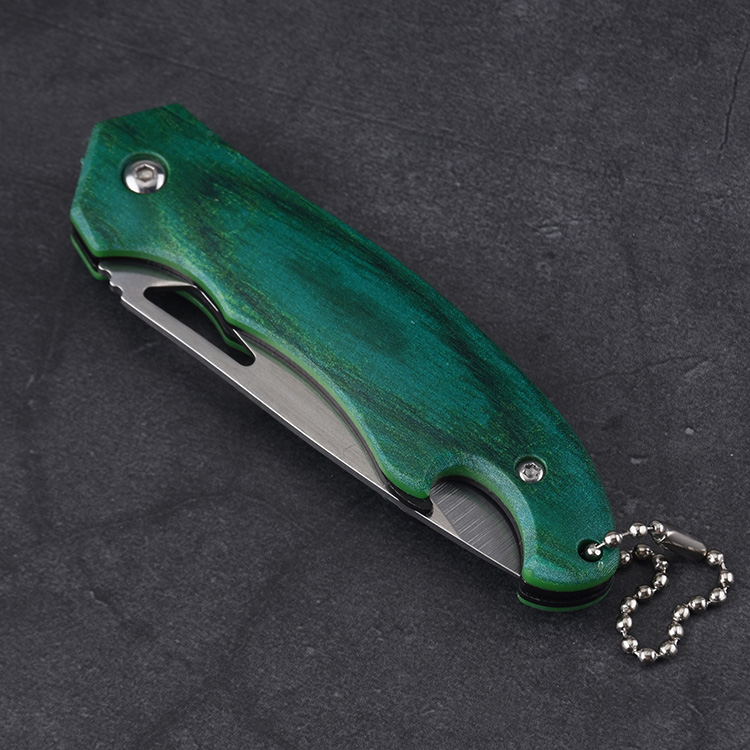
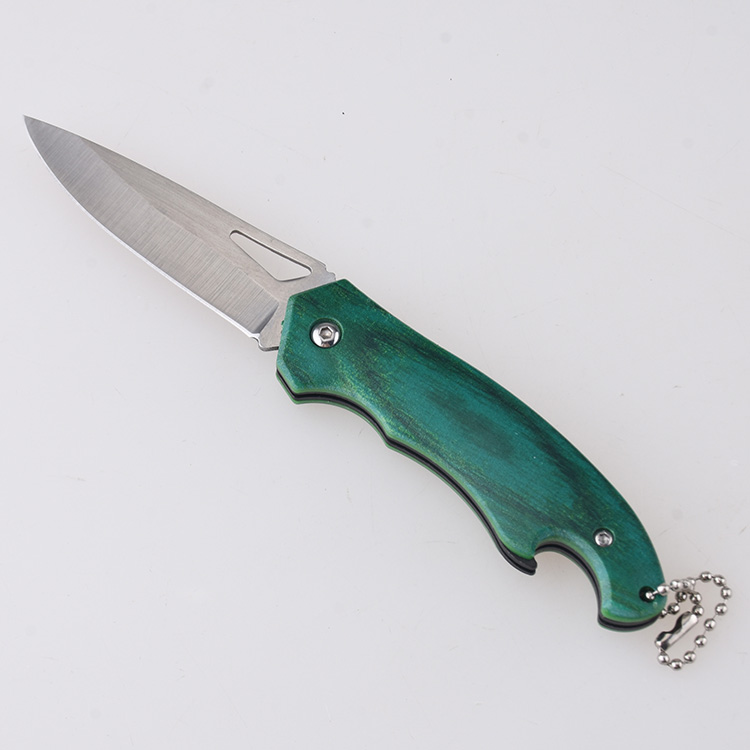
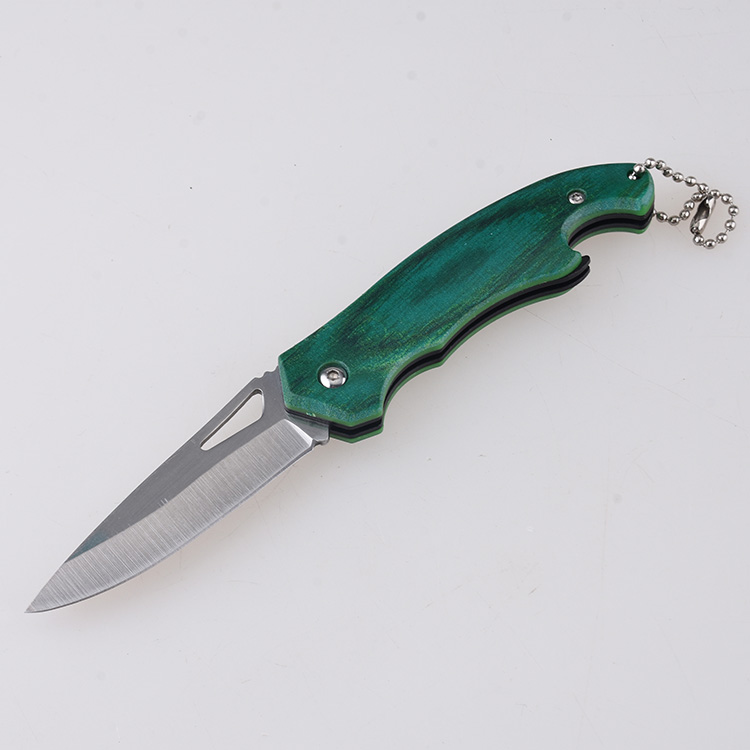
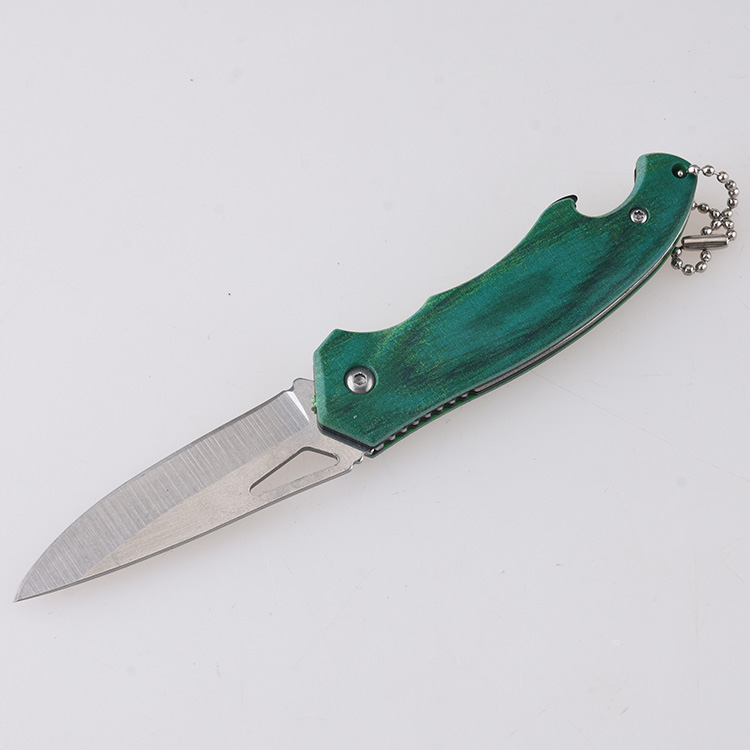
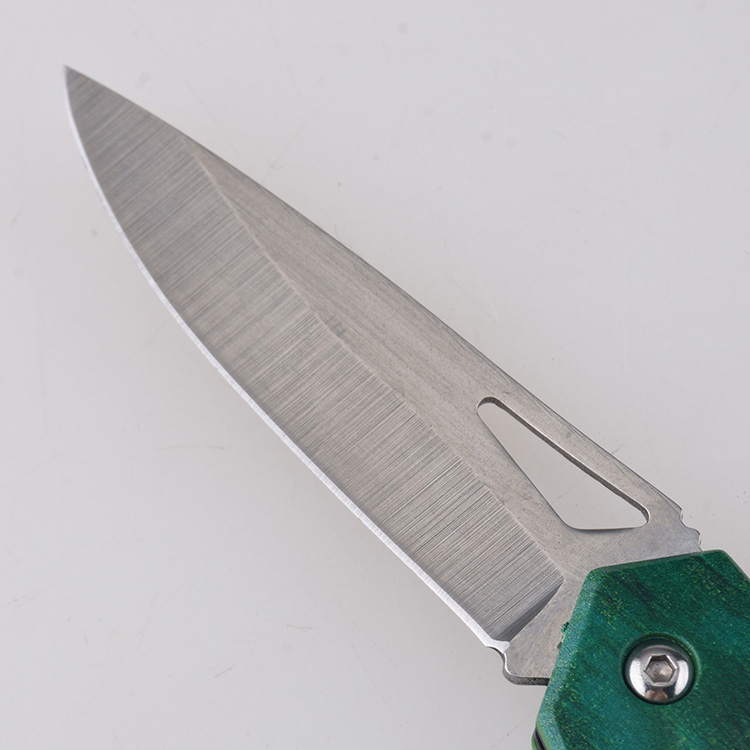
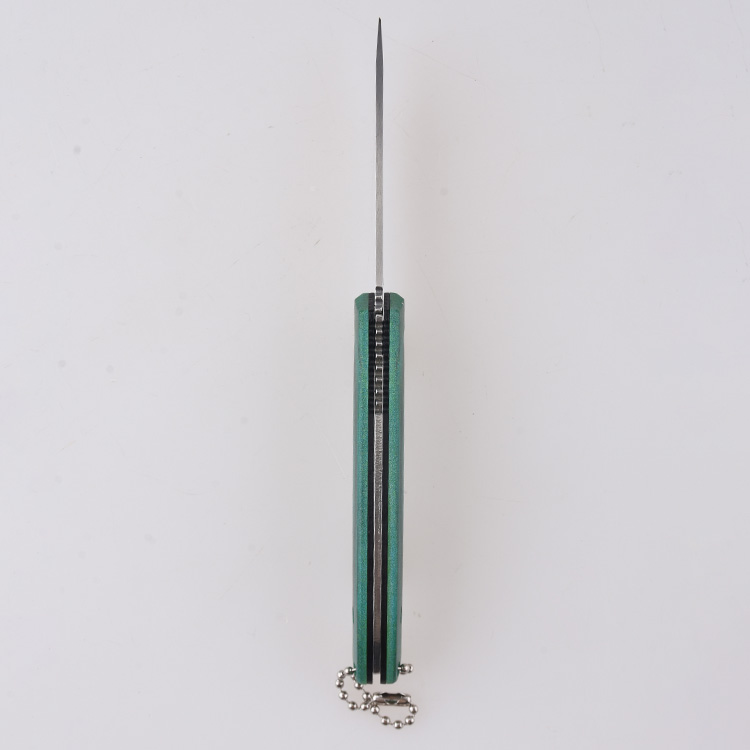
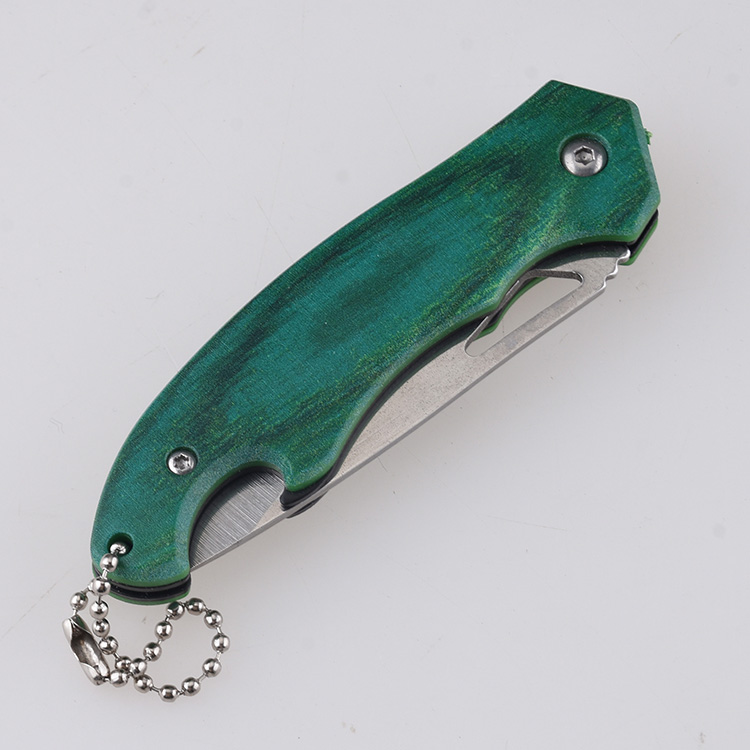
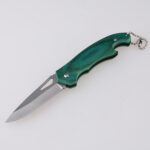
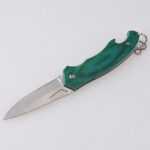
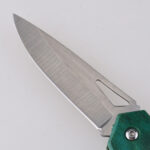
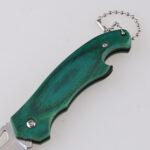
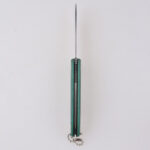
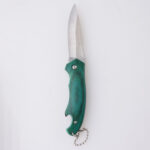
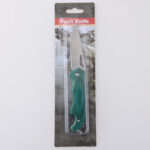
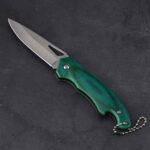
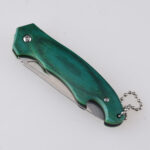
HU-2566 folding knife wholesale Alibaba RTS PP handle green s12
HU-2566 folding knife wholesale Alibaba RTS PP handle green s01
HU-2566 folding knife wholesale Alibaba RTS PP handle green s02
HU-2566 folding knife wholesale Alibaba RTS PP handle green s03
HU-2566 folding knife wholesale Alibaba RTS PP handle green s04
HU-2566 folding knife wholesale Alibaba RTS PP handle green s05
HU-2566 folding knife wholesale Alibaba RTS PP handle green s06
HU-2566 folding knife wholesale Alibaba RTS PP handle green s07
HU-2566 folding knife wholesale Alibaba RTS PP handle green s08
HU-2566 folding knife wholesale Alibaba RTS PP handle green s09
HU-2566 folding knife wholesale Alibaba RTS PP handle green s10
HU-2566 folding knife wholesale Alibaba RTS PP handle green s11
HU-2566 folding knife wholesale Alibaba RTS PP handle green s12
HU-2566 folding knife wholesale Alibaba RTS PP handle green s01
HU-2566 folding knife wholesale Alibaba RTS PP handle green s02
HU-2566 folding knife wholesale Alibaba RTS PP handle green s03
HU-2566 folding knife wholesale Alibaba RTS PP handle green s04
HU-2566 folding knife wholesale Alibaba RTS PP handle green s05
HU-2566 folding knife wholesale Alibaba RTS PP handle green s06
HU-2566 folding knife wholesale Alibaba RTS PP handle green s07
HU-2566 folding knife wholesale Alibaba RTS PP handle green s08
HU-2566 folding knife wholesale Alibaba RTS PP handle green s09
HU-2566 folding knife wholesale Alibaba RTS PP handle green s10
HU-2566 folding knife wholesale Alibaba RTS PP handle green s11

HU-2566 folding knife wholesale Alibaba RTS PP handle green sourcing purchase

Item NO.: HU-2566

Item segment: Folding knife

Blade material: 3Cr13

Handle material: PP

Blade HRC: 50-52

Blade thickness: 0.071” / 1.8mm

Blade length: 2.6” / 66mm

Handle thickness: 0.472” / 12mm

Total length: 6.22” / 158mm

Weight: 2.19 oz / 62g

Blade style: Drop point

Handle color: Green

Pocket clip: /

Lock mechanism: No lock

Open way: Hole

Blade finish: Satin

Blade grind: Flat

Regular MOQ: 1200

Remark: Metal ball chain

Videos

Understanding Screws in Folding Knife Production: A Guide to Quality and Performance

Folding knives are practical tools used for various applications, from everyday carry (EDC) to outdoor adventures. While the blade and handle materials often steal the spotlight, the screws used in folding knife production play a crucial role in the knife’s overall functionality, durability, and ease of maintenance. In this guide, we will explore the types of screws typically used in folding knives, their importance, and tips for selecting the right screws for your needs.

The Importance of Screws in Folding Knives

Screws are essential components that hold various parts of a folding knife together, including the handle scales, blade, and pivot mechanisms. The quality and type of screws used can significantly affect the knife’s performance, structural integrity, and ease of maintenance. Here are some fundamental reasons why screws matter in folding knife production:

  1. Structural Integrity: Screws ensure that all components of the knife are securely fastened, preventing wobbling or movement that can affect performance and safety.
  2. Ease of Disassembly: Quality screws allow for easy disassembly of the knife, which is important for maintenance tasks like cleaning, lubrication, and blade sharpening.
  3. Weight Considerations: The type of screws used can impact the overall weight of the knife. Lightweight materials can enhance portability without sacrificing strength.
  4. Corrosion Resistance: Screws made from corrosion-resistant materials contribute to the knife’s longevity, especially in humid or wet environments.


Types of Screws Used in Folding Knives

  1. Torx Screws

One of the most common types of screws used in folding knives is Torx screws. This six-point star-shaped screw design provides a secure grip and minimizes the risk of stripping during installation or removal.

  • Advantages: Torx screws allow for higher torque application without damaging the screw head, making them ideal for securing blade pivots and handle scales.
  • Common Uses: Torx screws are often found in high-quality folding knives, particularly those designed for heavy use.


  1. Phillips Screws

Phillips screws are another popular choice in folding knife production. Characterized by their cross-shaped head, Phillips screws have been widely used for decades.

  • Advantages: These screws are easy to find and widely available, making them a practical choice for manufacturers. They are also effective for general assembly tasks.
  • Common Uses: Phillips screws are often used in budget folding knives, as well as in certain components of higher-end knives.


  1. Allen (Hex) Screws

Allen screws, or hex screws, feature a hexagonal socket in the head, which is driven by an Allen wrench. This design allows for a secure fitting and is commonly used in various mechanical applications.

  • Advantages: Allen screws provide a strong grip and are less likely to strip compared to Phillips screws, making them suitable for high-stress applications.
  • Common Uses: Many modern folding knives incorporate Allen screws, especially in pivot points and handle assembly, due to their robustness.


  1. Flathead Screws

Flathead screws have a flat top and a single slot for driving. While not as common in folding knives as other types, they are still used in some models.

  • Advantages: Flathead screws are simple to use and can be countersunk for a flush finish, allowing for a sleek appearance.
  • Common Uses: These screws may be found in older knife designs or in specific applications where a low-profile screw is desired.

Factors to Consider When Choosing Screws

When selecting screws for folding knife production, several factors come into play:

  1. Material: Stainless steel screws are popular due to their corrosion resistance, while titanium screws are favored for their lightweight and strength.
  2. Size and Thread Type: Ensuring the screws are the correct size and thread type is crucial for proper functionality and fit. Mismatched screws can lead to structural failure.
  3. Head Style: The choice of head style (e.g., Torx, Phillips, Allen) should align with the intended design and use of the knife. Consider how often the knife will need to be disassembled for maintenance.
  4. Strength and Durability: Look for screws that can withstand the stresses and strains of everyday use, especially in high-performance knives.


Conclusion

Understanding the types of screws used in folding knife production is essential for anyone involved in knife design, manufacturing, or usage. The right screws contribute to the knife’s structural integrity, ease of maintenance, and overall performance. By considering factors such as material, size, and head style, manufacturers can ensure that their folding knives meet the high standards demanded by consumers.


When purchasing or designing a folding knife, take the time to evaluate the screws used, as they are fundamental components that can greatly influence your knife’s functionality and longevity. Whether you’re an enthusiast, a collector, or a professional, a well-constructed folding knife with quality screws will serve you reliably in various situations.

Understanding Opening Mechanisms in Folding Knives: A Comprehensive Guide

Folding knives are versatile tools that have become essential in various settings, from everyday carry (EDC) to outdoor adventures and survival situations. One of the key features that define a folding knife’s usability is its opening mechanism. Different opening methods impact the knife’s ease of use, safety, and overall performance. In this guide, we will explore the various ways folding knives are designed to open, helping you understand their unique benefits and applications.

The Importance of Opening Mechanisms

The opening mechanism of a folding knife is crucial for quick access and safe operation. A well-designed opening method not only influences the knife’s functionality but also affects user experience. Whether you need a knife for everyday tasks or outdoor excursions, knowing the different opening methods will help you choose the right folding knife for your needs.


Common Opening Mechanisms

  1. Thumb Hole

The thumb hole is a circular or oval-shaped cutout on the blade’s spine, allowing users to open the knife using their thumb. This design is popular among many contemporary folding knives due to its simplicity and effectiveness.

  • Advantages: The thumb hole offers a smooth opening action and allows for one-handed operation. It is especially useful for quick access in situations where speed is essential. Additionally, the design minimizes the risk of accidental closure during use.
  • Common Uses: Many tactical and EDC knives feature thumb holes, as they provide quick access while maintaining a sleek profile.


  1. Thumb Stud

A thumb stud is a small protrusion attached to the blade, enabling users to open the knife with their thumb by pushing the stud. This mechanism is prevalent in countless folding knives due to its ease of use.

  • Advantages: The thumb stud allows for rapid one-handed opening, making it a favorite choice for users who prioritize speed. Depending on its placement, the stud can be designed for either left or right-handed use.
  • Common Uses: Thumb studs are commonly found in various folding knives, including pocket knives and tactical designs.


  1. Flipper

The flipper is a small tab or lever located on the blade’s spine, allowing users to flip the blade open with a quick motion. This mechanism is often paired with ball-bearing pivot systems for smooth operation.

  • Advantages: Flippers offer fast and intuitive deployment, making them user-friendly. They enable users to open the knife with a flick of the wrist, which can be particularly advantageous in high-stress situations.
  • Common Uses: Flipper mechanisms are popular in many modern folding knives, particularly those designed for tactical or EDC purposes.


  1. Automatic Opening (Switchblade)

Automatic or switchblade knives deploy the blade at the press of a button or switch. These knives typically feature a spring mechanism that rapidly opens the blade when activated.

  • Advantages: Automatic knives offer the fastest deployment, making them ideal for situations where immediate access is crucial. They are easy to use with one hand and require minimal effort.
  • Common Uses: While automatic knives are popular among collectors and enthusiasts, their legality varies by region, so it’s essential to check local laws before purchasing.


  1. Assisted Opening

Assisted opening knives combine manual and automatic mechanisms. When the user begins to open the blade manually, a spring mechanism assists in fully deploying the blade.

  • Advantages: Assisted opening knives are designed for smooth and rapid deployment without the need for a button or switch. They provide a balance between manual and automatic mechanisms, enhancing user control.
  • Common Uses: These knives are prevalent in tactical and everyday carry options, appealing to users who want quick access without the complexities of fully automatic designs.


  1. Nail Nick

The nail nick is a small notch or indentation located on the spine or the blade’s edge, allowing users to open the knife using their fingernail. This traditional opening method is common in classic pocket knives.

  • Advantages: Nail nicks provide a simple, manual way to open a knife without any additional components or mechanisms. They are easy to operate and contribute to the knife’s classic aesthetic.
  • Common Uses: Nail nicks are typically found in traditional folding knives and slip joints, appealing to collectors and those who appreciate vintage designs.

Conclusion

Understanding the various opening mechanisms in folding knives is essential for selecting the right tool for your needs. Each mechanism offers unique benefits and applications, catering to different preferences, environments, and user experiences. Whether you prefer the quick access of a thumb hole, the intuitive flick of a flipper, or the nostalgic charm of a nail nick, there is a folding knife out there that can meet your requirements.


When choosing a folding knife, consider how you plan to use it, the speed of deployment you need, and your comfort with different mechanisms. A well-crafted folding knife with a suitable opening mechanism can provide reliability, efficiency, and enjoyment for years to come, making it a valuable addition to your toolkit or everyday carry collection.

Downloads

Send Your Enquiry

Send us your enquiry and we will get back to you within 24 hours.

Get sharp-edge knives and business from Shieldon.

en_USEN

Connecting With Us

We are ready to help at any stage of your OEM knife project. Send us your enquiry and your budget and we will get back to you within 24 hours.