
A good coltello da pesca is a must-have for anyone who loves fishing. It makes cleaning and preparing fish easier and adds convenience and safety during outdoor fishing trips.
With so many options, it’s important to know the features and uses of different fishing knives to find the right one.
This guide includes the main uses, types, and key factors when choosing a fishing knife.
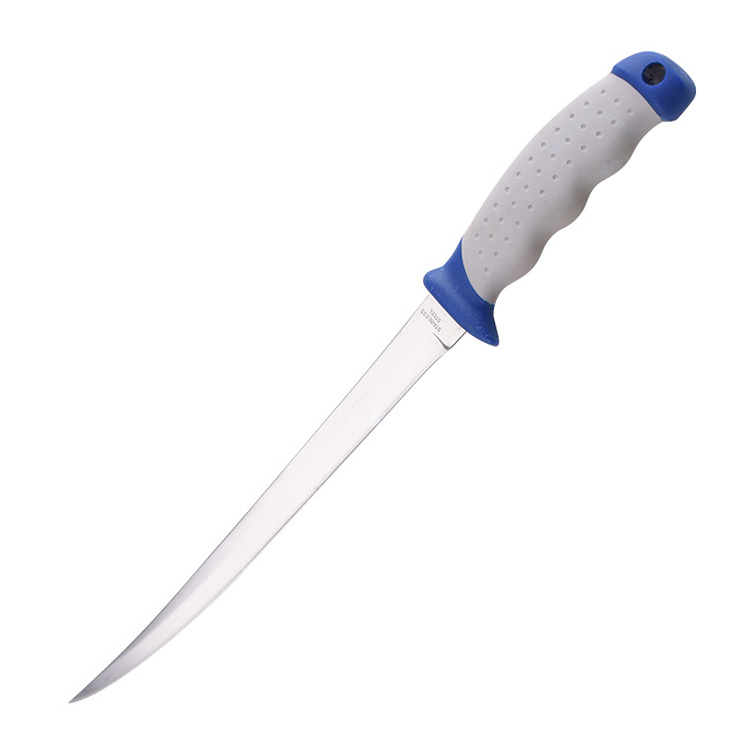
Main Uses of a Fishing Knife
Cleaning and Processing Fish
A fishing knife is essential for cleaning and preparing fish. Whether on a boat or by a peaceful river, tasks like descaling, gutting, and filleting are much easier.
Its sharp, precise blade helps you remove scales efficiently and prepare the fish for cooking or storage.
The knife’s edge lets you separate the flesh from the bones smoothly and quickly. Adding a fishing knife to your gear can make cleaning fish, which is often messy and time-consuming, simple and hassle-free.
Versatility in Outdoor Activities
Fishing knives are highly versatile tools, useful for much more than just preparing fish. They can help cut ropes, repair gear, and even handle emergencies. With sharp, precise blades, these knives are designed to tackle various outdoor tasks.
A fishing knife is a practical tool for any outdoor adventure, whether cutting challenging ropes while camping or making quick repairs.
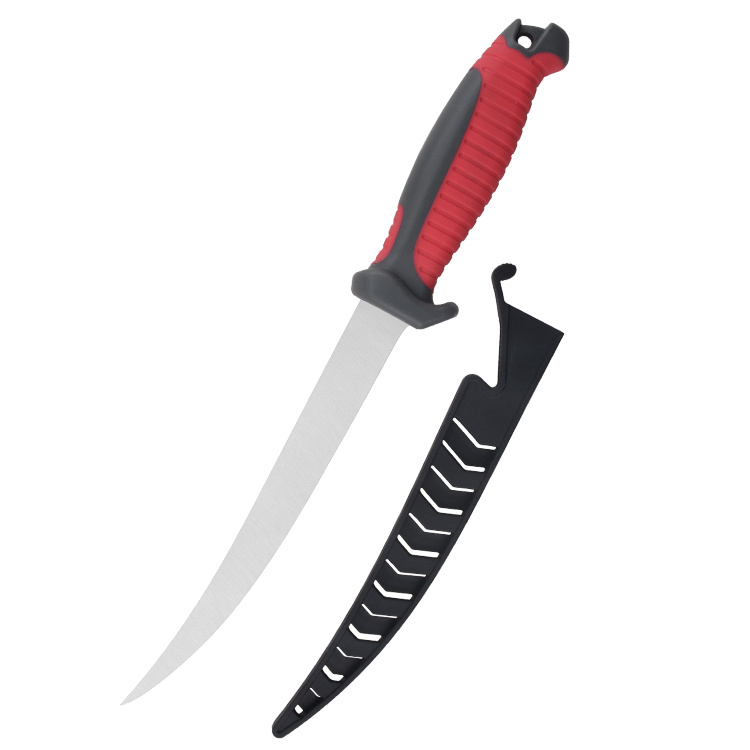
Types of Fishing Knives
Fixed Blade Fishing Knives
Fixed-blade fishing knives are known for their sturdy construction and durability, making them ideal for extended outdoor use and handling larger fish. Their solid, non-folding design ensures reliable performance even in demanding situations. Their fixed blades provide strength and stability, allowing more control during cutting and slicing tasks.
Advantages:
- Sturdy construction ensures durability and reliability.
- Easy to clean and maintain.
- Offers superior strength and stability for more precise cuts.
- Provides a wide range of blade lengths to suit different needs.
Best Use:
- It is ideal for extended outdoor use, such as handling large fish or onboard operations during fishing trips.
- Suitable for tasks that require more strength and control, like cutting through rigid materials or preparing larger catches.
- Preferred choice for anglers who prioritize durability and dependability in their fishing tools.
Filleting a large salmon or cleaning a hefty catch like a trophy fish requires the strength and stability of a fixed-blade fishing knife. These knives are also handy for other tasks, such as cutting rope, carving wood, or handling survival situations where a dependable cutting tool is essential.
When selecting a fixed-blade fishing knife, ensure it fits comfortably in your hand and suits your outdoor needs.
Folding Blade Fishing Knives
Folding-blade fishing knives are convenient and versatile tools for anglers. They feature a folding mechanism that safely tucks the blade away when not in use, making them easy to carry and store in tackle boxes or pockets. Their compact size makes them ideal for everyday carry or lightweight fishing trips.
Advantages:
- Portability: Folding blade knives can be easily carried in your pocket or attached to your gear, ensuring they are readily accessible whenever needed.
- Safety: The folding mechanism securely locks the blade in place when open, minimizing the risk of accidental cuts or injuries.
- Versatility: These knives are not limited to fishing tasks; they can also be used for general outdoor purposes like camping, hiking, or other everyday cutting needs.
When choosing a folding-blade fishing knife, consider critical factors like blade material, length, shape, handle comfort, and overall durability.
Stainless steel blades are an excellent choice for wet environments because they resist corrosion, while high-carbon steel blades stay sharper but need more upkeep. Ensure the blade length and shape match the tasks you’ll need, such as filleting fish, cutting lines, or other outdoor activities.
Specialized Fillet Knives
Specialized fillet knives are crafted for tasks that require precision and care, making them perfect for handling delicate fish. Their thin, long blades let you make smooth, accurate cuts without damaging the fish.
For example, when filleting a salmon, a specialized fillet knife easily glides along the bones, separating the meat cleanly.
Similarly, if you’re working with trout, this knife helps remove the skin and bones while keeping the fillet intact.
Its flexibility also makes it ideal for deboning and trimming minor or intricate fish sections.
Caratteristiche:
- Thin, long blades Allow precise and smooth cuts, even along delicate bones.
- Flexible design: Helps you navigate the fish’s contours for clean separations.
- Lightweight: Reduces hand fatigue during detailed tasks.
Best Uses:
- Perfect for filleting salmon, ensuring clean cuts along the backbone.
- Ideal for trout, letting you remove skin and bones without tearing the meat.
- Suitable for any task requiring precision, like trimming small fish or deboning fine sections.
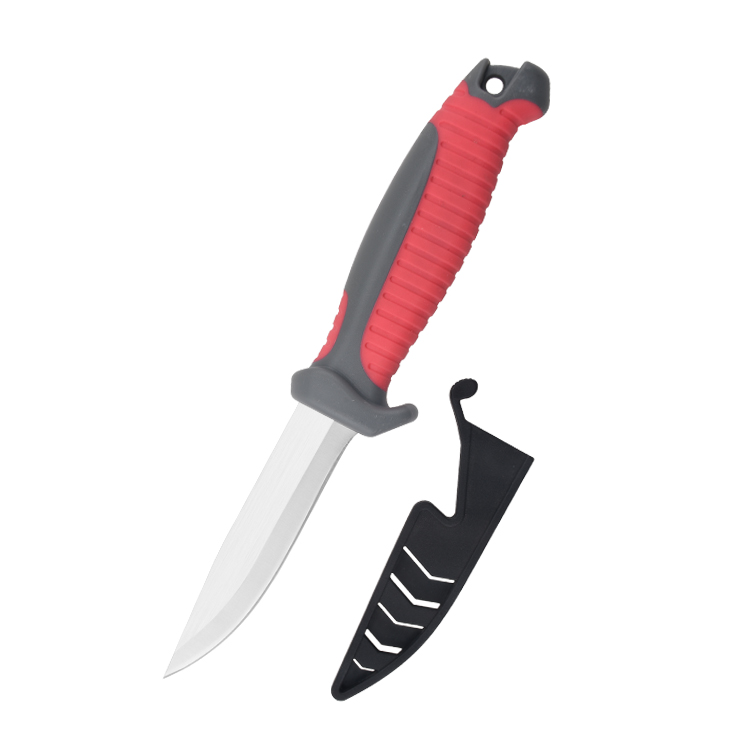
Key Factors to Consider When Choosing a Fishing Knife
Choosing the right fishing knife ensures a safe and efficient fishing experience. Whether cleaning your catch or preparing bait, the right knife can make the task smoother and more enjoyable.
Below are the key factors to consider, explained with in-depth examples and practical tips to guide your decision.
Materiale lama
The material of the blade determines its sharpness, durability, and resistance to environmental elements. Here’s a comparison of the two main options:
- High-Carbon Steel:
- Advantages: Known for its superior sharpness and ease of honing, high-carbon steel knives are ideal for precision cuts. For example, if you need to fillet a delicate fish like trout, the sharp edge lets you separate the flesh cleanly without damaging it.
- Disadvantages: This material is prone to rust and discoloration if improperly maintained. If you frequently fish in saltwater environments, you’ll need to oil and clean the blade after every use to prevent corrosion.
- Stainless Steel:
- Advantages: Stainless steel is perfect for wet or salty conditions, with excellent resistance to rust and corrosion. For instance, if you fish offshore for species like tuna, a stainless steel knife can endure prolonged exposure to seawater without degrading.
- Disadvantages: While durable, stainless steel may not retain its sharpness as well as high-carbon steel, requiring more frequent sharpening.
A stainless steel blade offers low-maintenance convenience if you are a casual angler who fishes occasionally in freshwater lakes.
Conversely, if you are a professional who values sharpness for intricate cuts, high-carbon steel is a better investment, provided you are diligent with maintenance.
Blade Length and Shape
The length and shape of the blade directly influence its functionality, depending on the size of the fish and the specific tasks.
- Lunghezza della lama:
- Shorter blades (4–6 inches) are best for small fish like perch or crappie, offering better control during precise cuts.
- Longer blades (8–12 inches) are suited for larger fish, such as salmon or swordfish, as they allow efficient slicing through thick scales and flesh.
- Forma della lama:
- Straight Edge: This knife is ideal for general-purpose tasks like cutting bait or cleaning fish with minimal curves. For example, it can quickly cut through the bones of a catfish.
- Curved Edge: Designed for filleting and detailed work, the curve helps glide along the fish’s body, making it easier to separate the skin from the meat.
An angler targeting bass and trout should opt for a 6-inch curved blade for precision filleting. However, a fisherman handling larger species like grouper might prefer a 10-inch straight blade for heavy-duty cutting.
Disegno della maniglia
The handle is critical for comfort, safety, and durability.
- Ergonomic Design: A handle with a comfortable grip minimizes fatigue during extended use. For example, an ergonomic rubber handle can help you maintain control when cleaning multiple fish in slippery conditions.
- Materiali della maniglia:
- Rubber: It provides a non-slip grip, ideal for wet or slippery environments. For instance, a rubber handle enhances stability when cleaning fish on a rocking boat.
- Wood: Offers a classic aesthetic appeal and is durable when adequately treated. Traditional anglers might prefer a wooden handle for its timeless look, but it requires more care to prevent water damage.
A rubber handle is a practical choice if you fish in humid, wet conditions. On the other hand, for occasional freshwater fishing, a polished wooden handle can provide both functionality and style.
Portability and Safety
A fishing knife should be easy to carry and safe to store, especially if you travel frequently or fish in remote locations.
- Sheaths: A knife sheath is essential for fixed-blade knives, offering protection for both the blade and the user. For example, a lightweight nylon sheath is water-resistant and ideal for backpacking trips.
- Folding Mechanisms: Folding knives are compact and safer for transport, as the blade locks securely into place when not used. These are particularly useful for anglers who prefer minimalist gear.
A folding knife is perfect for a kayak fisherman with limited space, while a fixed-blade knife with a sheath is better for an angler who needs quick access to their tools on a fishing pier.
How to Maintain and Care for a Fishing Knife
Proper maintenance of your fishing knife ensures it stays sharp, durable, and ready for your next fishing trip. Here’s a simple guide to help you clean, sharpen, and store your knife effectively.
Routine Cleaning
Always clean your fishing knife immediately after each use.
Fish residue and salt water can cause corrosion, dull the blade, and weaken the knife over time. Wash the knife with warm, soapy water, and scrub gently to remove stuck debris.
For example, rinse the knife thoroughly to remove salt deposits after cleaning a saltwater fish like mackerel. Dry the knife with a clean cloth before storing it to prevent rust. Avoid leaving your knife soaking in water or tossing it into the dishwasher, as these can damage the blade and handle.
Regular Sharpening
A sharp knife is not only more effective but also safer to use. Dull blades require extra force, increasing the risk of slipping. Use a sharpening stone or knife sharpener regularly to maintain a razor-sharp edge.
For instance, if your knife struggles to slice through a salmon fillet, it’s time to sharpen it.
Hold the blade at a consistent angle against the sharpening stone and slide it evenly across the surface. For convenience, you can also use an electric knife sharpener. Sharpening your knife after every few uses ensures clean cuts and prolongs lifespan.
Storage Tips
Proper storage prevents moisture damage and keeps your knife in good condition. Always store your fishing knife in a dry environment. Use a knife sheath or blade guard to protect the edge and prevent accidental injuries.
For example, avoid tossing your knife into a wet tackle box after a fishing trip. Instead, dry it thoroughly and store it in a dedicated pocket or compartment in your fishing gear.
If you use a folding knife, ensure it’s scorched before closing it to avoid trapping moisture inside.
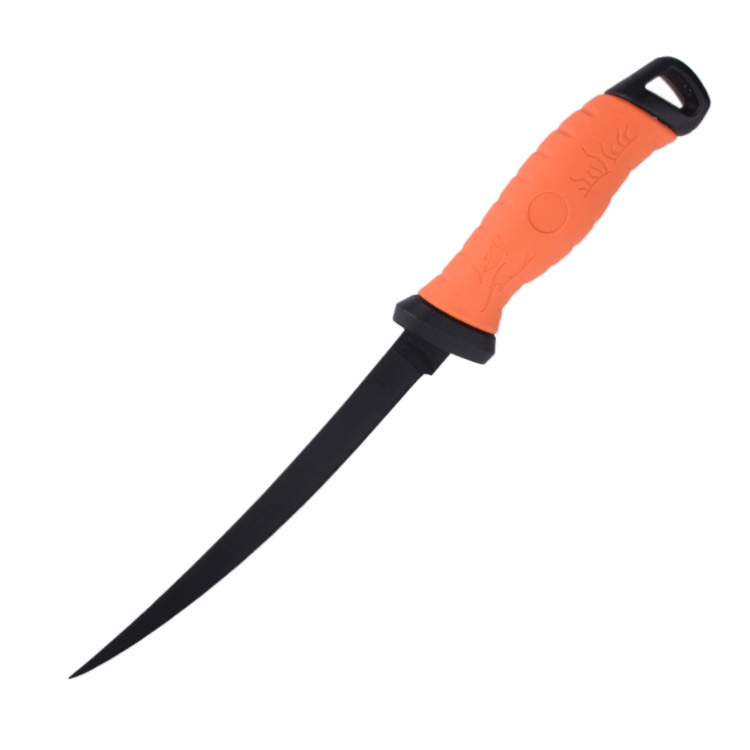
Recommended Knives for Different Scenarios
Freshwater Fishing
A lightweight folding knife is the perfect companion for freshwater fishing. Its compact design makes it easy to carry, and the suitable materials ensure durability in wet conditions. A standout option is the Shieldon Colibri Pocket Knife.
The blade, made from 154CM steel, offers a great mix of toughness, corrosion resistance, and edge retention. It is perfect for tasks like slicing bait or cleaning smaller fish like trout. Its lightweight design makes it easy to carry, and the titanium pocket clip keeps it securely stored.
The contoured G10 handle provides a solid grip, even with wet hands, and the blue and yellow design adds style to your gear.
The Shieldon Colibri’s ceramic ball bearing system ensures smooth opening, and its compact size is ideal for quick, precise tasks. For instance, when fishing in streams for bass, the nested liner lock keeps the blade secure while in use. The stonewashed finish also resists wear from exposure to water and debris, making it a durable and reliable tool.
Other great options include the Spyderco Delica 4 and Gerber Paraframe II, which are known for their lightweight construction and dependable performance.
Deep-Sea Fishing
For deep-sea fishing, a corrosion-resistant stainless steel fixed-blade knife is a must-have. Saltwater environments demand rugged, reliable, and efficient tools for heavy-duty tasks. The Shieldon OEM Fixed Blade Knife DJ-2509A1 is an excellent choice.
Made with durable D2 steel and a stonewashed finish, it’s built to resist wear and corrosion, making it ideal for use at sea. Its hawkbill point blade and flat grind edge provide excellent cutting performance for cutting thick fishing lines, slicing bait, or cleaning large fish like tuna or grouper.
The G10 handle ensures a secure and comfortable grip, even in wet or slippery conditions—essential when working on a moving boat.
For instance, when preparing bait for deep-sea fishing, this knife stays steady in your hand, providing precision and safety. The included sheath keeps the blade protected and easy to access when needed.
Other great choices include the Victorinox Fibrox Pro Fillet Knife and the Dexter-Russell Sani-Safe 8-inch Fillet Knife, both known for their corrosion resistance and reliability in marine conditions.
Multipurpose Use
When versatility matters, multi-functional fishing knives with built-in tools like bottle openers and hook removers are necessary. The OEM Army Knife Multi-Functional Tool 14 in 1 HF-KI5011K by Shieldon is an excellent choice for anglers and outdoor enthusiasts. Compact and lightweight, it’s easy to carry and offers 14 tools to handle various tasks during fishing trips and beyond.
This multi-tool resists corrosion and is made from durable 2Cr13 stainless steel, making it perfect for scaling fish or removing hooks. The hook disgorger lets you remove embedded hooks precisely, while the fish scaler makes cleaning your catch easy.
The aluminum handle provides a comfortable grip, even with wet hands, and its compact size (4.21 inches closed) fits in your pocket or tackle box. Extras like a built-in bottle opener and carabiner add convenience.
While the Shieldon HF-KI5011K stands out for its lightweight design, customizable look, and tailored functions for anglers, other options like the Leatherman Wave+ or Gerber Suspension Multi-Tool are also worth considering. However, the Shieldon multi-tool remains an excellent choice for scaling fish, repairing gear, or celebrating a successful catch. It combines reliability and functionality in one compact package.
Conclusion: Find the Best Fishing Knife for You
In conclusion, choosing the right fishing knife is essential for every fishing enthusiast. When selecting a fishing knife, consider the type, material, size, and functionality best suits your needs.
A quality fishing knife enhances your fishing experience, providing convenience, safety, and versatility.
Shieldon offers high-quality folding knives and customization services, catering to diverse user preferences and providing professional OEM solutions. Whether scaling fish, repairing gear, or celebrating a successful catch, a reliable fishing knife is a must-have tool for every angler.
Explore Sheldon’s range of fishing knives to find the perfect fit for your fishing adventures.
FAQ
What is the difference between a fishing knife and a regular knife?
Unlike a regular knife made for general use, a fishing knife is designed specifically for fishing tasks. Fishing knives are built for scaling, filleting, and cutting lines.
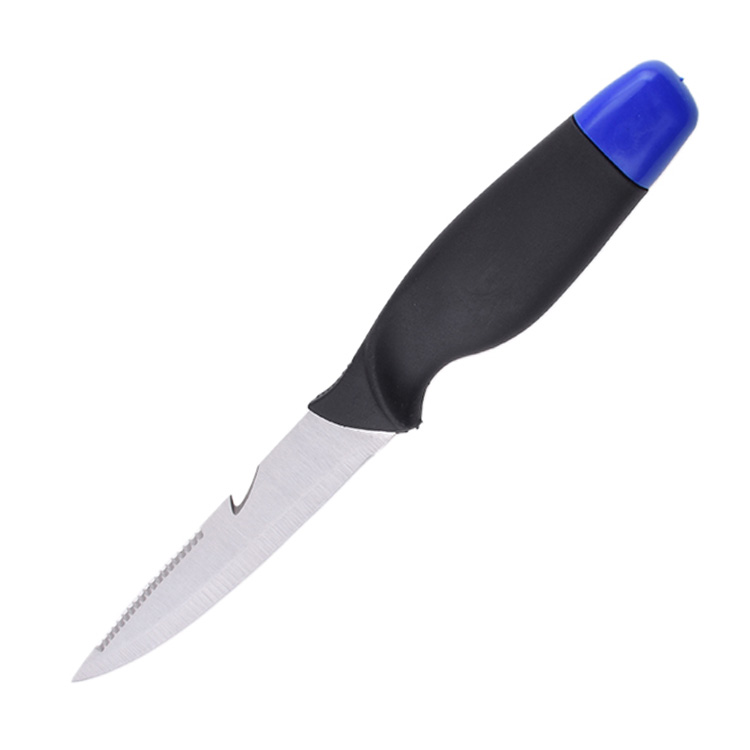
They usually have flexible blades for precise cutting, non-slip handles for a secure grip when wet, and extra features like serrated edges or gut hooks for specific needs.
These knives are made to handle harsh fishing conditions while providing convenience and functionality for anglers.
Is it worth it to buy a multi-functional fishing knife?
A multi-functional fishing knife is helpful for anglers, offering convenience and versatility in many fishing situations.
It can handle tasks like scaling, filleting, and cutting lines, so you don’t need to carry multiple tools, saving space and weight in your gear. Whether you’re a beginner or a seasoned angler, this type of knife can make fishing easier by helping you handle different tasks efficiently. It’s a flexible tool that adapts to various fishing conditions and challenges.
However, consider your specific needs and preferences before deciding if a multi-functional fishing knife is right for you.
How do I know if a knife’s material suits wet environments?
Choosing the right knife for wet environments means paying attention to the materials it’s made from. Materials resistant to rust and corrosion are essential for these conditions.
Stainless steel, especially with high chromium and nickel content, is popular due to its strong corrosion resistance. Titanium and ceramic are also good choices for their durability in wet conditions.
Knives with protective blade coatings or treatments can offer extra durability against moisture.
Always check the product details and reviews to ensure the knife is built to withstand the wet conditions you’ll encounter during your fishing trips.
What blade length is best for freshwater fishing?
Choosing the right blade length for freshwater fishing depends on your preferences and fishing type. A blade length between 3 to 5 inches is usually recommended, as it offers a good balance of versatility and ease of use.
A shorter blade, around 3 inches, provides precision and control, making it ideal for cleaning and filleting smaller fish or handling delicate tasks.
A longer blade, around 5 inches, offers more cutting power, making it better for larger fish or more demanding jobs like cutting through bones or thick skin.
The best blade length for you will depend on the size of fish you catch and the tasks you need it for. Consider your fishing style and what feels most comfortable and efficient.
Do beginners need a professional fishing knife?
Although beginners don’t need a professional fishing knife, having a reliable one is key to a good fishing experience.
Choose a knife that matches your needs and skill level. A durable, sharp, and corrosion-resistant knife can make fishing tasks more accessible and more efficient.
It doesn’t have to be overly expensive or specialized—just look for one with a comfortable grip and a sharp blade that suits the fish and tasks you’ll handle. As you gain experience, you can upgrade to a higher-end knife if needed.


 IT
IT  EN
EN  ES
ES  FR
FR  RU
RU  PT
PT  KO
KO  ID
ID  MS
MS  DE
DE  TL
TL