
Knives are versatile tools used for various outdoor activities and everyday tasks. However, possessing certain types of knives or carrying them improperly may violate Minnesota statutes. This article covers key aspects of state laws regarding legal knife use to help you avoid penalties.
Overview of Minnesota Knife Laws

Minnesota statute section 609.66 defines dangerous weapons and establishes regulations on carrying or possessing these items in public places. Under this law, knives become subject to stricter regulations if they meet the criteria of “dangerous weapons.”
The state generally allows open carry of knives, with some exceptions. Concealed carry rules are more extensive, particularly for items classified as dangerous weapons. Understanding the nuances in these laws is critical for legally and safely carrying knives in Minnesota.
Scope of Minnesota’s Knife Laws
Minnesota statutes section 609.02, subdivision 6 offers a broad definition of “dangerous weapons” that includes various types of knives:
- “Any device or instrumentality that, in the manner it is used or intended to be used, is calculated or likely to produce death or great bodily harm.”
- “Any fire, loaded firearm, or other device designed to produce death or great bodily harm.”
- “Any combustible or flammable liquid or other device or instrumentality that, in the manner it is used or intended to be used, is calculated or likely to produce death or great bodily harm.”
As such, items not specifically designed as weapons may still fall under regulations for “dangerous weapons” depending on factors like blade length, design, and intended use.
The critical distinction in Minnesota law is between open carry versus concealed carry of knives. Open carry generally allows possession of knives in public if done responsibly. However, concealed carry involves further regulations, permits, and prohibitions under section 624.714.
Prohibited Knife Types
Minnesota law expressly prohibits carrying or possessing certain dangerous weapons, including:
Switchblades and Automatic Opening Knives
Section 609.66, subdivision 1 bans carrying switchblades in public. Switchblades are defined as knives with an automatic blade release rather than manual opening.
Exceptions exist for one-armed individuals and sales to law enforcement or military personnel. Those who owned switchblades prior to August 1, 2014 may also possess them on private property. However, you may not carry automatic-opening knives in vehicles or concealed on your person without facing weapons charges.
Balisong/Butterfly Knives
Balisong knives, also called butterfly knives, violate concealed weapons laws under section 609.66, subdivision 1a. These knives feature handles that rotate around the tang to conceal the blade within grooves.
You cannot carry these novelty knives in a vehicle or concealed without a permit. But Minnesota statutes do not prohibit owning or collecting balisong knives kept securely at home.
Gravity/Centrifugal Knives
Section 609.66 also bans gravity knives, which use centrifugal force to flick open the blade from handle concealment. These quick-opening mechanisms classify gravity knives as dangerous weapons in Minnesota.
Basic Regulations for Carrying Knives
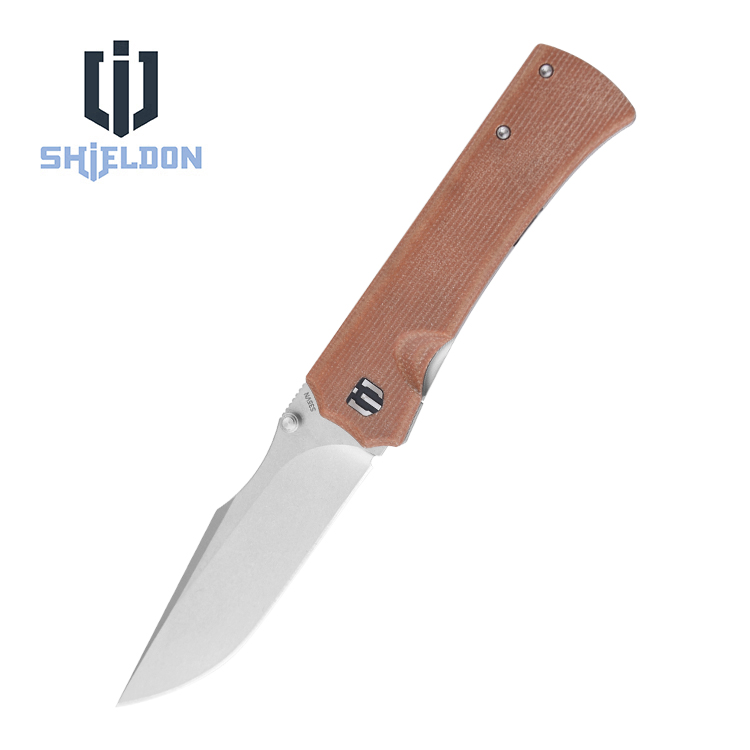
Within the framework of Minnesota law, you have more flexibility regarding open versus concealed carry, depending on the type of knife and intended use.
Open Carry Rules
Citizens can legally open carry any type of knife unless expressly prohibited. According to section 624.714, you can display a knife on your belt or keep it directly available without concealment.
However, avoid brandishing knives in public in a threatening manner. Use sound judgment when openly carrying knives to prevent alarming others or sparking a dangerous misunderstanding. Consider legal cautions and social sensitivities before strapping a 12-inch Bowie knife to your hip for a trip to the mall.
Concealed Carry Regulations
Concealed carry involves tighter restrictions focused on weapons classifications. It is generally illegal to carry a concealed knife that meets the definitions of “dangerous weapons” under section 609.02.
Factors like blade length, opening mechanism, and intended use determine if a knife qualifies as an illegal concealed weapon. For example, a switchblade in your pocket would violate the law, while a standard pocket knife may not.
Exceptions exist for citizens with valid permits to carry dangerous weapons concealed. Requirements include passing a certified weapons training course and background checks. Such permits allow concealed carry rights for knives and firearms.
Without a carry permit, you can still hide small folding pocket knives designed for utility purposes. As always, avoid anything that resembles a weapon carried with malicious intent.
Gray Areas in Minnesota’s Knife Laws
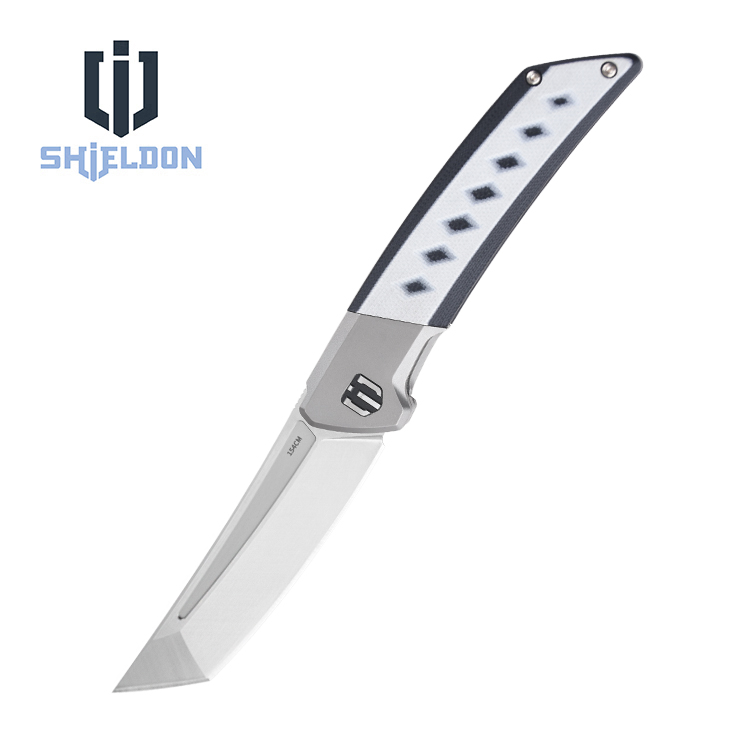
Some ambiguity exists around certain knife styles and contexts that straddle the line between tool and weapon. Understanding these gray areas helps inform smart choices when carrying knives.
Ambiguity in Legal Language
The broad definition of “dangerous weapons” leaves room for interpretation regarding specific knives. For example, some large tactical or combat knives fall into an uncertain space.
Carrying intimidating military-style blades may attract attention from law enforcement and lead to charges – especially if concealed. Yet, Minnesota statutes do not expressly forbid these knives. Their legality often depends on the situation, discretion of officers, and courts.
As another example, knives disguised as other objects could qualify as prohibited. Disguised knives may demonstrate malicious intent by their very concealment. However, they do not receive explicit mention in Minnesota law.
Ultimately, avoid knives designed explicitly for harming others, instead opting for utility knives less likely to cause legal issues.
Local Ordinances
Beyond state law, local jurisdictions like Minneapolis and Rochester enact their own ordinances further restricting knife carry rights:
- Minneapolisordinance 171.10 prohibits concealed carry of knives over four inches, whether or not they qualify as dangerous weapons.
- Rochester Code 61D.09also restricts blade lengths on concealed knives.
Before carrying knives, research both state statutes and local laws applicable to the jurisdictions you will enter. Municipal or county rules provide additional legal guidance tailored to community standards and risks.
How to Avoid Legal Issues When Carrying Knives in Minnesota
Responsible knife owners take proactive measures for preventing misunderstandings or violations. Familiarize yourself with relevant regulations and exercise good judgment when carrying knives.
Understand and Comply with Applicable Laws
Reading Minnesota state statutes provides clarity on definitions pertaining to knife laws. This allows you to make informed choices about legally carrying specific styles of knives.
Check municipal codes as well if entering areas like Minneapolis. Local ordinances restrict knives in ways that state laws do not. For example, you can conceal a 3-inch pocket knife in Saint Paul legally, but this would violate code in Minneapolis across the river.
Carry Appropriate Knives Responsibly
When selecting an everyday carry (EDC) knife, choose compact folding knives rather than large fixed-blade styles. Not only are small folding knives more practical, but they also avoid the appearance of menacing weapons.
Additionally, remain mindful of social mores when displaying knives openly. For example, whittling wood during lunch break at the office could upset coworkers less comfortable around blades.
Use common sense to carry lawful knives responsibly as tools. This helps prevent alarming the public or encounters with authorities questioning your intents. Discretion and wisdom represent the best policies for EDC knives.
Knife Types Best Suited for Carrying in Minnesota
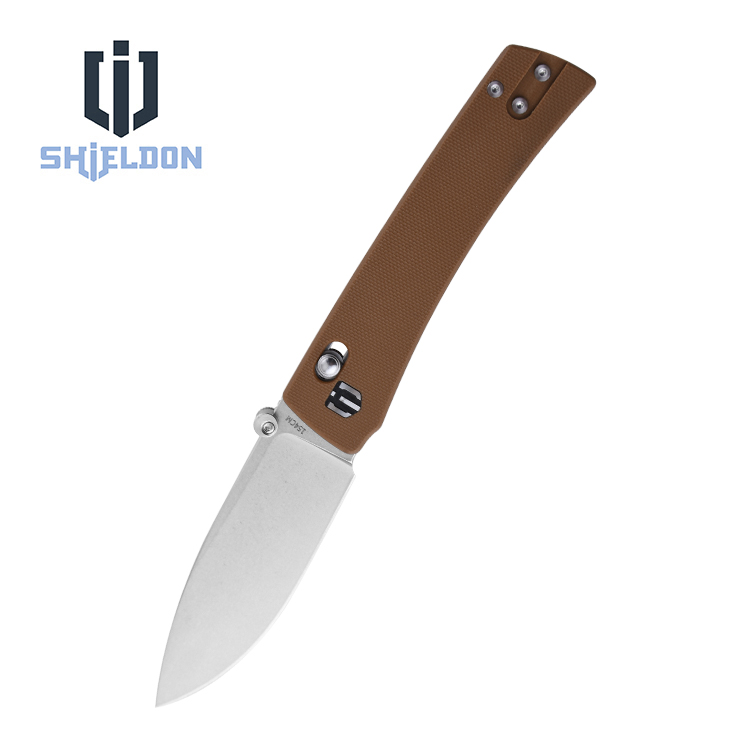
Citizens can legally carry an extensive variety of knives in Minnesota aligned with regulations. But some styles prove better suited for practicality and avoiding legal hassles.
Folding Knives Offer Flexibility
Classic manual-opening pocket knives represent popular and sensible EDC blade options. They fold into compact sizes making concealed carry lawful statewide under Section 624.714. Their non-threatening nature also avoids alarming others.
Blade lengths under 4 inches fit all jurisdictions for concealed carry if they lack prohibited opening mechanisms. CH Knives and Shieldon Knives offer numerous folding knife models fitting these practical and legal EDC parameters for Minnesotans.
Multi-Tools Provide Utility
Section 609.02, subdivision 6 excludes “a device used exclusively for cutting wood” from the definition of regulated weapons. Thus, multi-tools focusing on practical functions rather than combat do not face concealed carry restrictions.
For example, a Leatherman Wave multi-tool with wood saws and small knife blades makes a perfectly legal and useful EDC item in Minnesota. The tool avoids dangerous weapons classification, and concealed carry causes no issues statewide.
Lawful Knife Use in Outdoor Activities
Hunters, anglers, and campers enjoy exemptions or expanded permissions regarding knives due to the nature of these activities. Understanding regulations unique to outdoor contexts prevents legal trouble.
Hunting and Fishing Knives
Minnesota Statutes section 97B.051 permits legally licensed persons to possess hunting knives, axes, saws, etc. for activities like field dressing game. Transporting blades essential for sportsmen thus causes no legal concerns.
Additionally, the “woodcutting device” exception in Section 609.02 allows concealed carry rights for larger fixed-blade knives qualifying as necessary hunting/fishing tools instead of sneak weapons.
So wearing a skinning knife on your belt for cleaning fish and game after successful outings remains lawful for sporting participants. Just sheath knives properly when not actively using them.
Camping and Hiking Knives
Possessing knives for securing firewood, food prep, shelter construction and other camping tasks aligns with tool allowances as well. Larger knives useful in the backcountry do not automatically qualify as criminal weapons when carried contextually.
For example, concealing a Mora Companion fixed-blade knife to split kindling perfectly fits the “woodcutting device” exception in Section 609.02 for lawful transport. Just keep the context clear. Whittling woodchips rather than downtown strangers clarifies benign intents.
Sensible knife selections also help by allowing concealed carry under statewide exceptions for tools during outdoor excursions. Choose wisely and use responsibly.
Conclusion: Understanding Minnesota Knife Laws
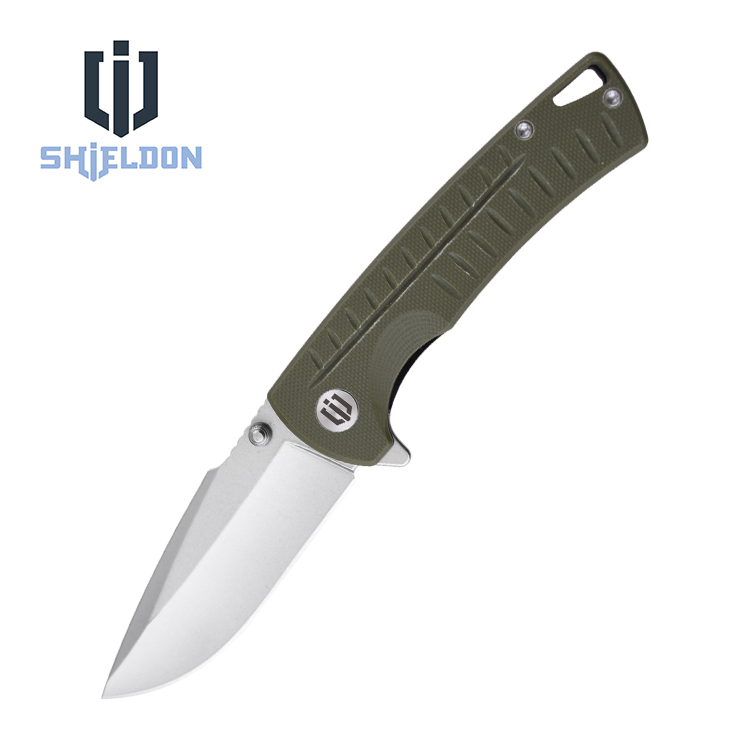
Navigating Minnesota’s knife laws involves understanding prohibited weapons, carry methods, blade types, municipal variations and context. Law-abiding knife carriers should:
- Review state statutes and local ordinances before purchasing or transporting knives.
- Openly carry lawful knives in a safe, non-threatening manner when required.
- Obtain permits if you must concealed carry knives categorized as dangerous weapons.
- Select appropriate knives styles including folding EDC knives and outdoor fixed blades that avoid legal troubles when carried properly.
Exercising good judgment provides the ultimate key to safely owning knives within regulations across Minnesota jurisdictions. Carry lawful blades respectfully as the tools they are designed to be.
Shieldon delivers exceptional EDC folding knives and multi-tools fitting carry laws across the globe. Peruse our catalog for reliable companions or contacter Shieldon regarding custom OEM knife development meeting your personal or business needs. Carry with confidence!
Questions fréquemment posées
Can I conceal carry a switchblade in Minnesota?
No. Carrying a switchblade concealed on your person or in a vehicle qualifies as a gross misdemeanor under Section 609.66. Exceptions exist for military personnel, peace officers, and people with one arm.
Are there size restrictions on knives in Minnesota?
State law does not dictate knife sizes. However, some localities like Minneapolis prohibit carrying blades over 4-inches concealed. Check municipal ordinances relevant to areas you will enter before concealing larger knives.
Is it legal to open carry a hunting knife in Minnesota?
Yes. Minnesota law allows open carry rights for knives including large hunting blades. Just avoid displaying them recklessly in contexts that may cause public alarm. Transport hunting knives safely sheathed when not actively using them.
How can I avoid weapons charges for carrying a knife?
Carry knives designed as utility tools rather than combat weapons. Conceal only compact folding knives lacking illegal opening mechanisms. Check local laws and ordinances before entering new jurisdictions. Use knives responsibly only for lawful purposes.
What are the laws for carrying knives in state parks?
Law enforcement may prohibit certain knives judged as dangerous per DNR regulations. But you can carry concealed lawful folding knives. Transport necessary fixed-blade knives for


 FR
FR  EN
EN  ES
ES  RU
RU  PT
PT  KO
KO  ID
ID  MS
MS  IT
IT  DE
DE  TL
TL