
Knives made from quality steel are crucial tools for both everyday users and professionals alike. When selecting a pocket or outdoor knife, one of the most important considerations is the type of steel used in the blade. Two of the most popular options on the market right now are AR-RPM9 and D2. But how do you decide which one is the best fit for your needs? This comprehensive guide examines the unique properties of each steel and provides a detailed comparison, so you can confidently choose the right blade material for any application.
Understanding AR-RPM9 and D2 Steels
Before diving into a feature-by-feature analysis, it’s important to develop a baseline understanding of what makes AR-RPM9 and D2 distinct as knife blade materials.
What is AR-RPM9?
AR-RPM9 is an innovative proprietary steel that has rapidly grown in popularity for mid-range to high-end pocket knives and tools. It offers an exceptional balance of hardness, corrosion resistance, and ease of sharpening.
| Kantenerhaltung | ★★★☆☆ |
| Korrosionsbeständigkeit | ★★★★☆ |
| Ease of Sharpening | ★★★★☆ |
| Zähigkeit | ★★★☆☆ |
This combination of versatility and performance helps explain why so many newer knife models, including options from top producers like Shieldon, are adopting AR-RPM9 over traditional steels.
What is D2 Steel?

If AR-RPM9 represents the innovative newcomer, D2 is the stalwart incumbent. It’s a semi-stainless tool steel with an outstanding reputation across the knife industry for its refined edge retention and sheer durability.
| Kantenerhaltung | ★★★★★ |
| Korrosionsbeständigkeit | ★★★☆☆ |
| Ease of Sharpening | ★★☆☆☆ |
| Zähigkeit | ★★★★☆ |
Collectors love the intricate designs that master bladesmiths can grind from D2, while professionals from hunters to tradeworkers rely on its rugged dependability even under brute force.
Key Characteristics of AR-RPM9 Steel
While versatility may be its calling card, AR-RPM9 does stand out from older steels in a few critical areas that affect performance and maintenance.
Korrosionsbeständigkeit
Thanks to a high chromium composition (up to 15%), AR-RPM9 blades can better resist rust and corrosion issues relative to mainstream knife steels. The added chemical resistance provides useful longevity, especially for users who rely on their pocket or outdoor knives in damp environments.
| Cr Composition | Up to 15% |
| Result | ★★★★☆ Corrosion Resistance |
Ease of Sharpening
Another advantage stemming directly from AR-RPM9’s chemical balance is relatively quick and painless sharpening access even for owners with limited experience.
The fine carbide structure and appropriate hardness level allow sharpening stones to grind away material without too much difficulty. Even beginners can restore a keen edge after light daily use. That accessibility helps extend the practical lifespan of AR-RPM9 blades.
| Carbide Structure | Fine |
| Appropriate Hardness | 58-60 HRC |
| Result | ★★★★☆ Ease of Sharpening |
Toughness and Hardness
In terms of robustness, AR-RPM9 again strikes an impressively versatile equilibrium. While not extraordinarily impact-resistant or suitable for prying leverage, AR-RPM9 is both hard and tough enough for reasonable outdoor demands without being brittle or prone to chipping.
| Härte | 58-60 HRC |
| Zähigkeit | Moderate |
| Result | ★★★☆☆ Balanced Durability |
That Goldilocks-style compromise enables AR-RPM9 to cover an admirably wide range of applications, from intricate food prep to seasonal camping.
Key Characteristics of D2 Steel

If AR-RPM9 wins points as a jack-of-all-trades, D2 steel punches above its weight in a few key areas that underline its enduring popularity.
Kantenerhaltung
D2’s claim to fame starts with its outstanding wear resistance. The high hardness, augmented by strong vanadium carbides, allows D2 blades to retain clean, precise cuts far longer under heavy loads than the majority of stainless steels.
| Härte | 59-61 HRC |
| Carbides | High Concentration |
| Result | ★★★★★ Edge Retention |
Whether slicing through fibrous meat, whittling dense wood, or saving lives as surgical instruments, D2’s tenacious edge helps support the most demanding cutting challenges.
Korrosionsbeständigkeit
While known primarily for performance instead of protection, D2 still offers better-than-expected corrosion resistance thanks to its semi-stainless composition.
| Stainless Mix | 12% Chromium |
| Protection Level | Moderate |
| Result | ★★★☆☆ Rust Resistance |
Without vigilance, rust can develop over time in wet climates. But with occasional maintenance, D2 holds up fine to everyday carry. For lower-maintenance corrosion protection, Shieldon does offer knives in AR-RPM9 as well!
Toughness and Hardness
The extreme hardness and particle reinforcement that bolster D2’s edge qualities can make it more brittle under impact. Experienced users learn to avoid prying applications that may transmit shock forces through the blade.
| Härte | 59-61 HRC |
| Zähigkeit | More Brittle |
| Result | ★★★★☆ Durability* |
* When used correctly for precise cutting applications
Thanks to comprehensive heat treatment, competent D2 knives achieve sufficient ductility for typical demands. But the trade-off for unmatched cutting accuracy, even through abrasive materials, is somewhat diminished gross impact resistance compared to softer steels.
AR-RPM9 vs. D2: A Comparative Analysis
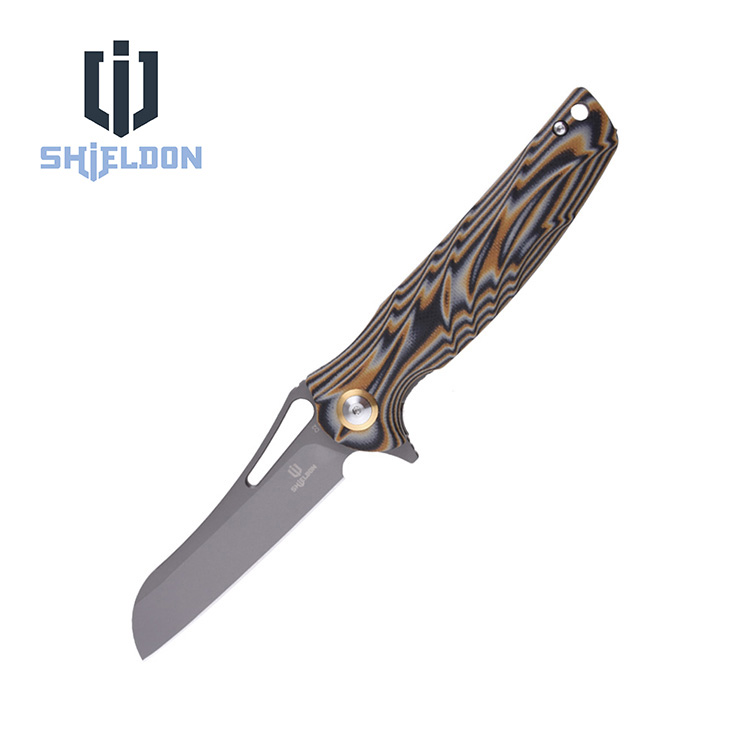
Now that we’ve surveyed the background of each steel individually, we can directly compare their advantages and limitations side-by-side to reveal ideal applications.
Kantenerhaltung
Both steels offer above-average edge retention relative to plain stainless steel thanks to hardness and wear-resistant carbides. AR-RPM9 makes a versatile EDC knife, while D2 excels for jobs requiring clean cuts under load over long periods.
However, D2’s more acute edge angle and sheer cutting tenacity come with added long-term sharpening difficulties and care considerations to maintain peak performance. So choose the precision of D2 understanding it demands diligence as well!
Korrosionsbeständigkeit
Here AR-RPM9 pulls ahead, with its higher chromium composition enabling better stability in wet environments. D2 shouldn’t be stored wet and benefits from occasional protective oiling.
So travelers, hunters, or food preparers needing to pocket and retrieve a blade repeatedly under humid conditions may lean toward AR-RPM9 for that added weathering reliability.
Einfache Wartung
Complementing its corrosion advantage, AR-RPM9 also wins big points for user-friendly sharpening and care compared to D2’s more finicky hardness. Even novice knife enthusiasts can routinely resharpen AR-RPM9 without fear of damage.
Meanwhile, D2 sharpening requires diamond stones and careful technique to avoid chipping – a high but necessary price for its sheer cutting tenacity that dedicated users gladly pay.
Toughness and Durability
Both steels avoid brittle failure under normal demands thanks to competent construction and heat treatment. However, D2’s extreme hardness does require strict avoidance of metal-on-metal impact or prying torque. AR-RPM9 offers more flexibility and forgiveness for outdoor users who encounter unavoidable drops.
So travelers who need one trustworthy blade for cutting kindling, preparing meals, and improvising shelter repairs may prefer AR-RPM9’s adaptability, while hunters and tradeworkers can revel in D2’s purpose-built cutting precision.
Price and Availability
Price wise, both steels deliver excellent value. D2 enjoys a broad supply advantage as a popular standard, keeping bulk costs lower. However, innovative AR-RPM9 grants exceptional composition and properties that rival or beat pricier alloys.
And as proprietary AR-RPM9 gains notoriety, exclusive boutique knife producers like Shieldon help proliferate its merits to the masses through mid-market offerings with customization potential.
Best Use Cases for AR-RPM9 and D2 Steels
Based on their respective strengths and limitations within key performance categories, AR-RPM9 and D2 each shine under distinct real-world cutting challenges.
AR-RPM9
With its balanced properties and forgiving sharpening, AR-RPM9 makes an ideal choice for:
- Everyday carry (EDC) knives where reliable medium-duty cutting meets low maintenance
- Hunting, fishing, and camping settings prone to moisture where corrosion resistance provides an advantage
- Beginning knife owners who will appreciate ease of upkeep while learning proper sharpening technique
Overall, AR-RPM9 fills a versatile, weather-resistant niche between mainstream stainless steels and ultra-hard performance alloys reserved for specialist applications.
D2
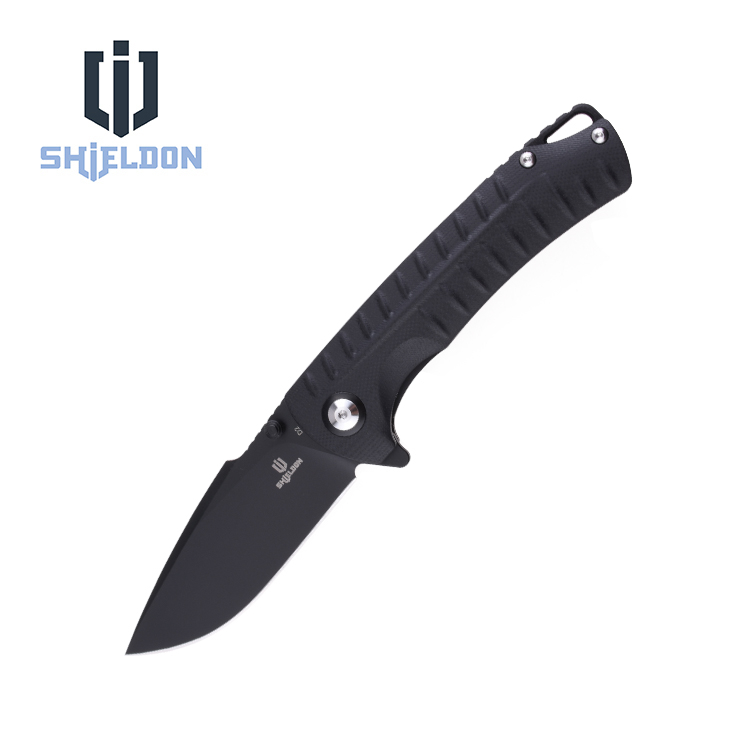
Thanks to its specialized hardness and carbide configuration geared towards extended edge retention, D2 excels at:
- Heavy duty cutting tasks like meat processing, whittling, and precision tradework
- knives destined for collectors or connoisseurs who appreciate D2’s legacy pedigree and find satisfaction in mastering its sharpening nuances
Knifemakers also frequently use D2 for surgical instruments where exceptional cutting edge integrity over continual usage can have life-saving implications.
In essence, while AR-RPM9 makes a perfect standalone blade, D2 operates best as part of a collection alongside other steels specialized for unique jobs. Its niche is exclusive, unparalleled cutting precision under workloads that quickly degrade lesser alloys.
Which Steel is Best for Your Needs?
So when choosing between these two capable steels, consider your individual expectations and use cases.
For Everyday Users
For most backpackers, household chefs, DIYers, and typical EDC applications, AR-RPM9 strikes the ideal balance of sharpness, corrosion resistance, affordable cost, and maintenance ease. It handles 90% of common cutting challenges with aplomb, only faltering under truly abusive loads.
As your skills improve, AR-RPM9 also grants room to grow into specialty techniques like culinary slicing, field dressing, or woodcarving without requiring expert-level sharpening precision right from the start. Its versatility ensures a valuable spot in your carry rotation even as your collection expands.
For Professionals and Collectors
Meanwhile, professionals from butchers to electricians who face daily cutting tasks pushing the limits of edge integrity will appreciate D2’s specialized wear resistance and the intricate beauty of its construction. Avid hobbyists may also relish mastering D2’s sharpening quirks as the price of admission to its time-tested pedigree.
While maybe not a natural choice for novice or infrequent knife users due to its sharpening learning curve, D2 rewards dedication to reveal cutting heights unachievable for most stainless alloys. And as the culmination of generations of metallurgical craft, D2 draws appropriate appreciation from engineering aficionados.
Conclusion: Choosing Between AR-RPM9 and D2
So when deciding between these two capable knife steels, carefully consider your personal reliability requirements. Survivalists who depend on their blade in adverse conditions may favor AR-RPM9 for its weather resistance, while tradeworkers need D2’s tenacious edge to ply their livelihood.
Household users and casual hobbyists, meanwhile, may find AR-RPM9 strikes an optimal balance of well-rounded performance with newfound cutting confidence.
Regardless of your experience level or intended application, innovative knife producers like Shieldon stand ready to deliver a precision-crafted product expressly fitted to your needs.
Through enriching education and refined design mastery, Shieldon empowers customers with reliable cutting confidence however they choose to EDC.
So don’t settle for average stainless when specialized alloys like AR-RPM9 and D2 can help drive peak performance and satisfaction from your trusty pocket companions! Let this breakdown guide your own personalized path up the cutting edge.
FAQ
What makes AR-RPM9 a better choice for EDC knives than D2?
The balanced corrosion resistance and ease of sharpening give AR-RPM9 an advantage for everyday carry. D2 holds an edge slightly longer under cutting loads but is more prone to moisture damage and requires more sharpening expertise. So AR-RPM9’s versatility and forgiveness fit most EDC needs.
How does the hardness of D2 affect its sharpening process?
D2’s extreme hardness and acute edge, which provide exceptional cutting performance, also make the steel more prone to chipping if improperly sharpened. Thus D2 sharpening requires diamond stones and careful, low-angle technique to slowly grind away steel. Most casual users will enjoy easier, safer sharpening with AR-RPM9.
Are there knives combining the qualities of AR-RPM9 and D2?
At the moment AR-RPM9 and D2 remain distinct in order to preserve the specific advantages of each steel. However, knife producers like Shieldon offer both steel options across different models to suit unique preferences. Custom engraving and finishing options also allow matching a blade’s looks to its intended application.
Which steel holds up better in extreme outdoor conditions?
Thanks to its higher chromium composition and weather resistance, AR-RPM9 generally sustains dependable cutting performance through adverse outdoor conditions, including temperature swings and moisture exposure, compared to semi-stainless D2. So wilderness survivalists or rigid job site users may favor AR-RPM9 for its durability and rust resistance.
Can beginners easily maintain a D2 steel knife?
While advanced enthusiasts revel in the intricacies of maximizing D2 edge retention, the steel’s specialized hardness does require commitment to master appropriate sharpening technique without causing chip damage. For most starting knife users, versatile AR-RPM9 offers greater forgiveness during the skills-building process.


 DE
DE  EN
EN  ES
ES  FR
FR  RU
RU  PT
PT  KO
KO  ID
ID  MS
MS  IT
IT  TL
TL