
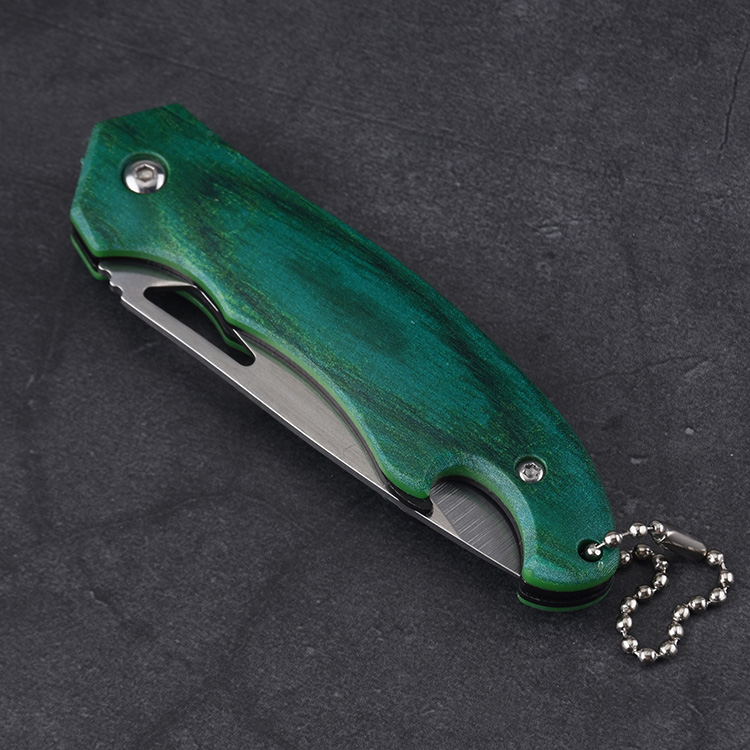
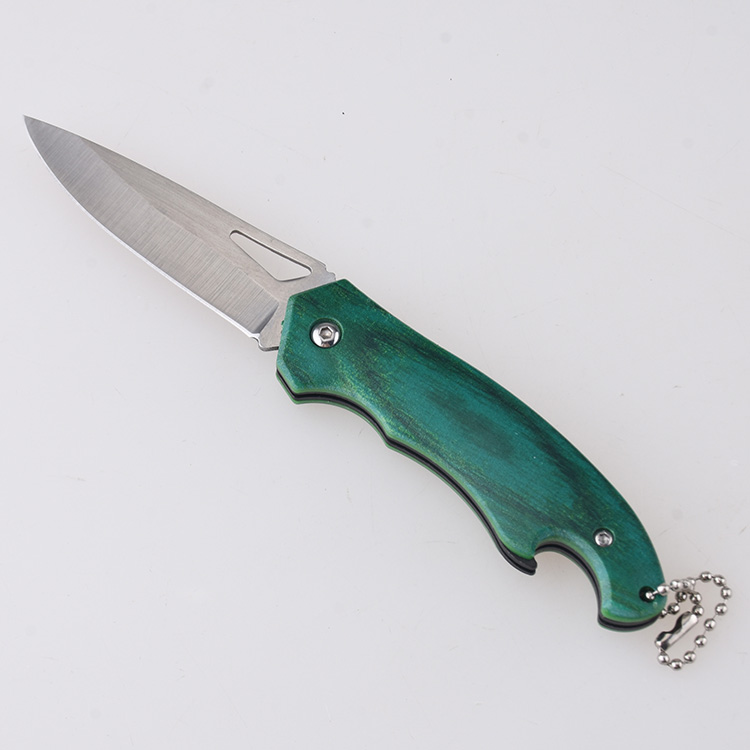
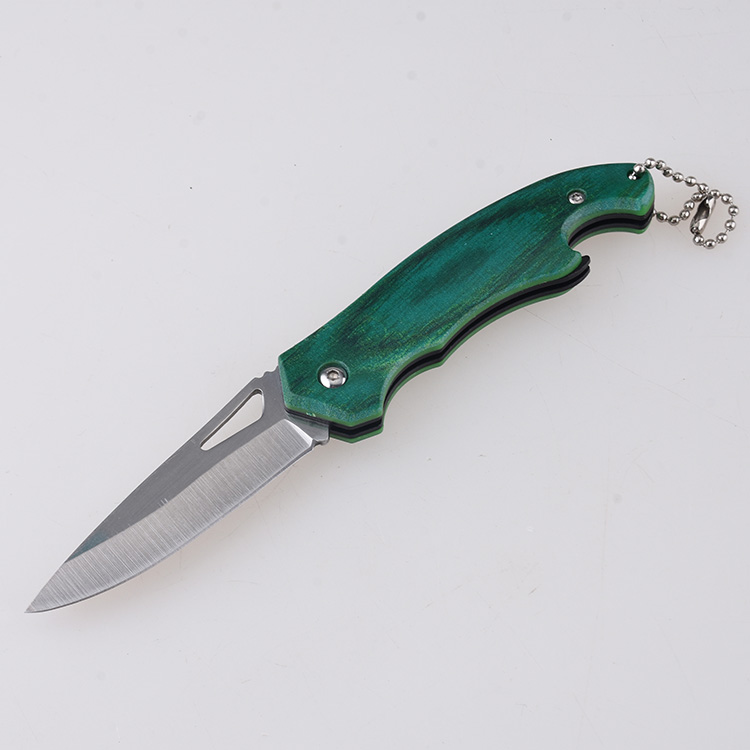
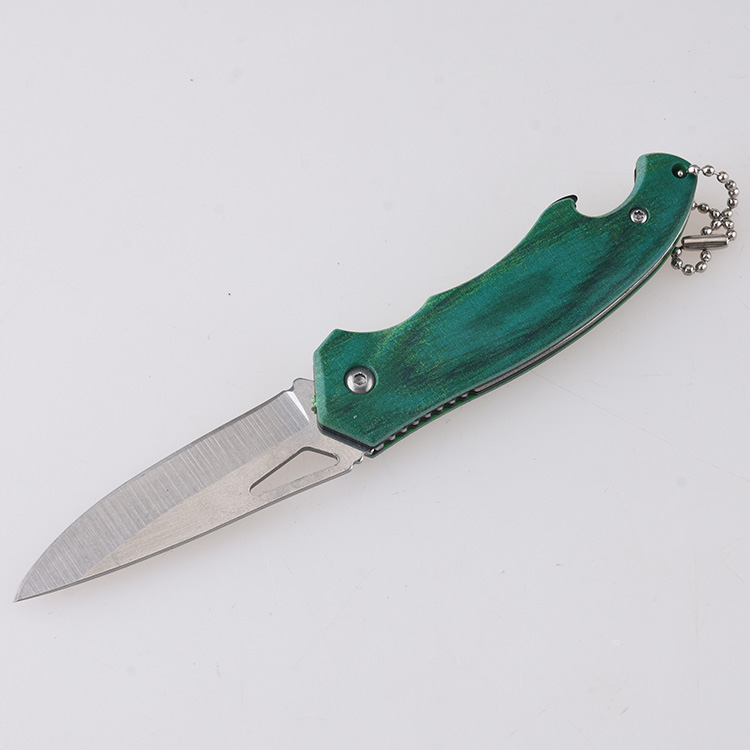
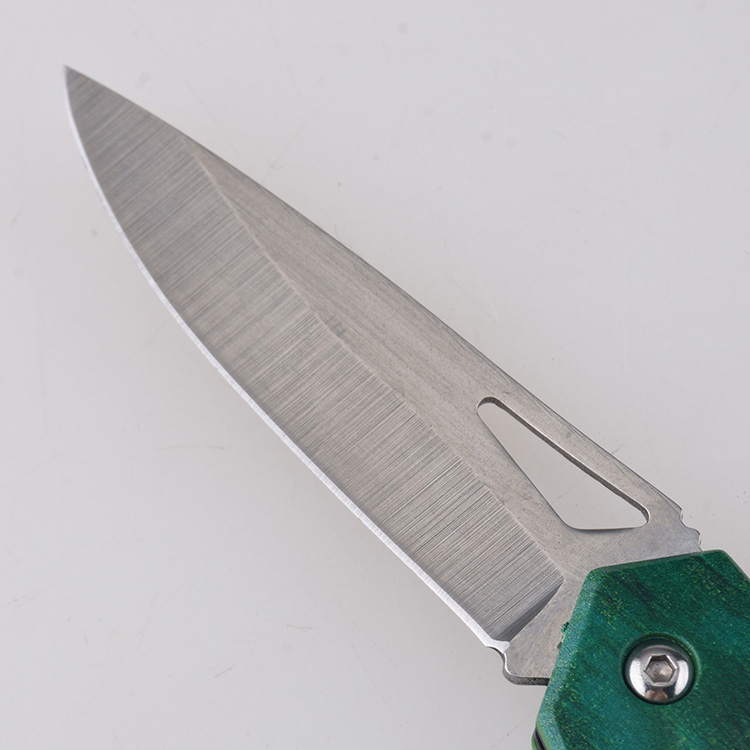

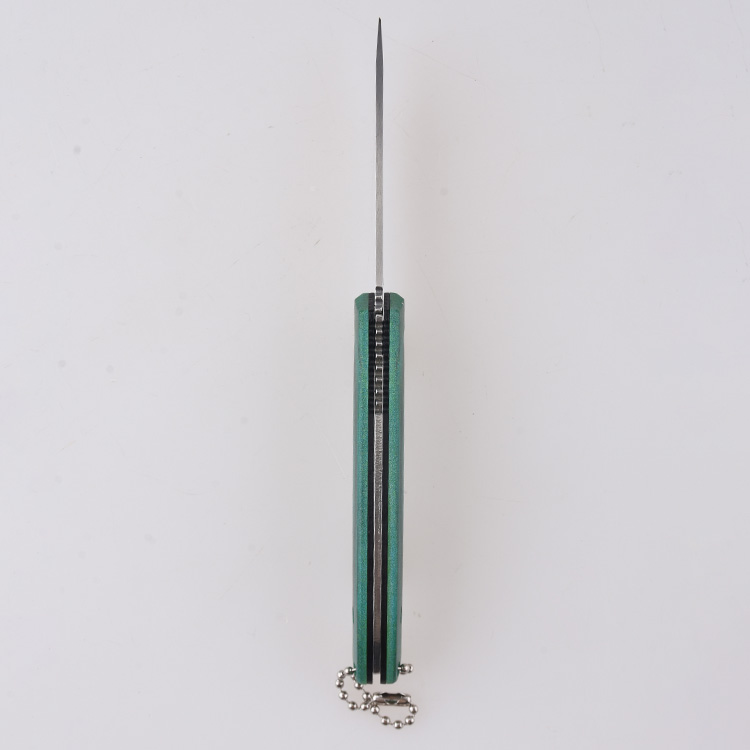


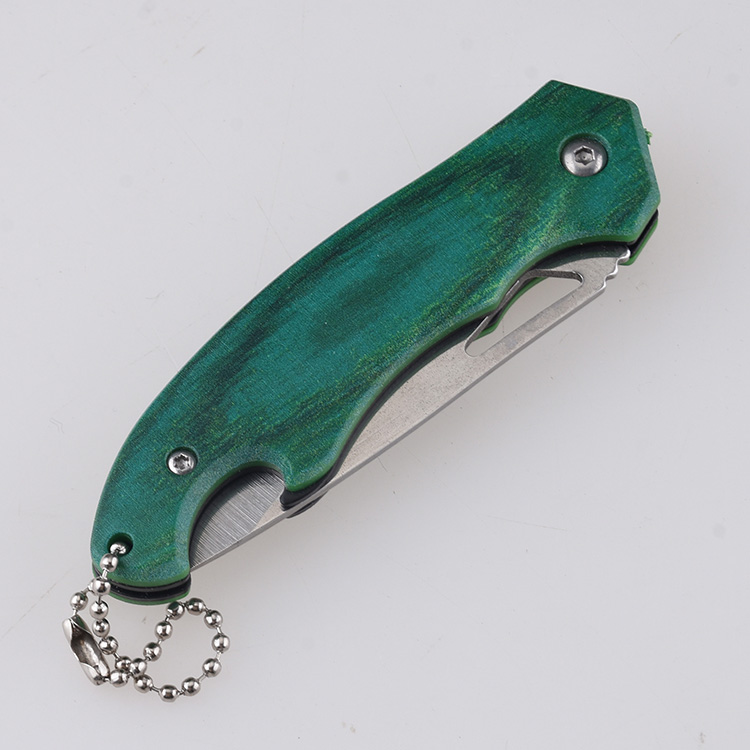

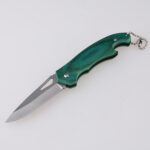
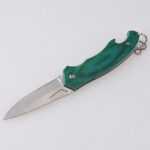
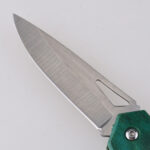
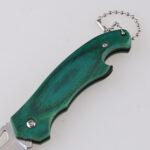
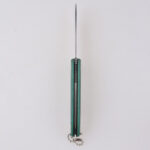
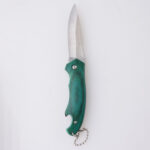
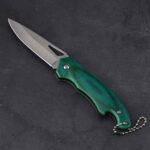
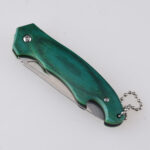

Folding knives are practical tools used for various applications, from everyday carry (EDC) to outdoor adventures. While the blade and handle materials often steal the spotlight, the screws used in folding knife production play a crucial role in the knife’s overall functionality, durability, and ease of maintenance. In this guide, we will explore the types of screws typically used in folding knives, their importance, and tips for selecting the right screws for your needs.
Screws are essential components that hold various parts of a folding knife together, including the handle scales, blade, and pivot mechanisms. The quality and type of screws used can significantly affect the knife’s performance, structural integrity, and ease of maintenance. Here are some fundamental reasons why screws matter in folding knife production:
One of the most common types of screws used in folding knives is Torx screws. This six-point star-shaped screw design provides a secure grip and minimizes the risk of stripping during installation or removal.
Phillips screws are another popular choice in folding knife production. Characterized by their cross-shaped head, Phillips screws have been widely used for decades.
Allen screws, or hex screws, feature a hexagonal socket in the head, which is driven by an Allen wrench. This design allows for a secure fitting and is commonly used in various mechanical applications.
Flathead screws have a flat top and a single slot for driving. While not as common in folding knives as other types, they are still used in some models.
When selecting screws for folding knife production, several factors come into play:
Understanding the types of screws used in folding knife production is essential for anyone involved in knife design, manufacturing, or usage. The right screws contribute to the knife’s structural integrity, ease of maintenance, and overall performance. By considering factors such as material, size, and head style, manufacturers can ensure that their folding knives meet the high standards demanded by consumers.
When purchasing or designing a folding knife, take the time to evaluate the screws used, as they are fundamental components that can greatly influence your knife’s functionality and longevity. Whether you’re an enthusiast, a collector, or a professional, a well-constructed folding knife with quality screws will serve you reliably in various situations.
Folding knives are versatile tools that have become essential in various settings, from everyday carry (EDC) to outdoor adventures and survival situations. One of the key features that define a folding knife’s usability is its opening mechanism. Different opening methods impact the knife’s ease of use, safety, and overall performance. In this guide, we will explore the various ways folding knives are designed to open, helping you understand their unique benefits and applications.
The opening mechanism of a folding knife is crucial for quick access and safe operation. A well-designed opening method not only influences the knife’s functionality but also affects user experience. Whether you need a knife for everyday tasks or outdoor excursions, knowing the different opening methods will help you choose the right folding knife for your needs.
The thumb hole is a circular or oval-shaped cutout on the blade’s spine, allowing users to open the knife using their thumb. This design is popular among many contemporary folding knives due to its simplicity and effectiveness.
A thumb stud is a small protrusion attached to the blade, enabling users to open the knife with their thumb by pushing the stud. This mechanism is prevalent in countless folding knives due to its ease of use.
The flipper is a small tab or lever located on the blade’s spine, allowing users to flip the blade open with a quick motion. This mechanism is often paired with ball-bearing pivot systems for smooth operation.
Automatic or switchblade knives deploy the blade at the press of a button or switch. These knives typically feature a spring mechanism that rapidly opens the blade when activated.
Assisted opening knives combine manual and automatic mechanisms. When the user begins to open the blade manually, a spring mechanism assists in fully deploying the blade.
The nail nick is a small notch or indentation located on the spine or the blade’s edge, allowing users to open the knife using their fingernail. This traditional opening method is common in classic pocket knives.
Understanding the various opening mechanisms in Klappmesser is essential for selecting the right tool for your needs. Each mechanism offers unique benefits and applications, catering to different preferences, environments, and user experiences. Whether you prefer the quick access of a thumb hole, the intuitive flick of a flipper, or the nostalgic charm of a nail nick, there is a folding knife out there that can meet your requirements.
When choosing a folding knife, consider how you plan to use it, the speed of deployment you need, and your comfort with different mechanisms. A well-crafted folding knife with a suitable opening mechanism can provide reliability, efficiency, and enjoyment for years to come, making it a valuable addition to your toolkit or everyday carry collection.


 DE
DE  EN
EN  ES
ES  FR
FR  RU
RU  PT
PT  KO
KO  ID
ID  MS
MS  IT
IT  TL
TL